6th Annual AI in Medical Affairs Summit
Two days with the medical affairs leaders putting AI to work across field medical, medical information and evidence generation, and deciding what has to stay human.
Where Medical Affairs meets real AI impact
Most medical affairs teams have run an AI pilot. Far fewer have scaled one, measured it, or decided where the line sits between what AI can do and what a medical professional must own. This summit is built around those questions.
Every session comes out of research calls with medical affairs leaders, and the faculty are practitioners from pharma, biotech and device. Expect case studies with real numbers, panels that disagree with each other, and time to compare notes with peers who are a step ahead of you or a step behind.
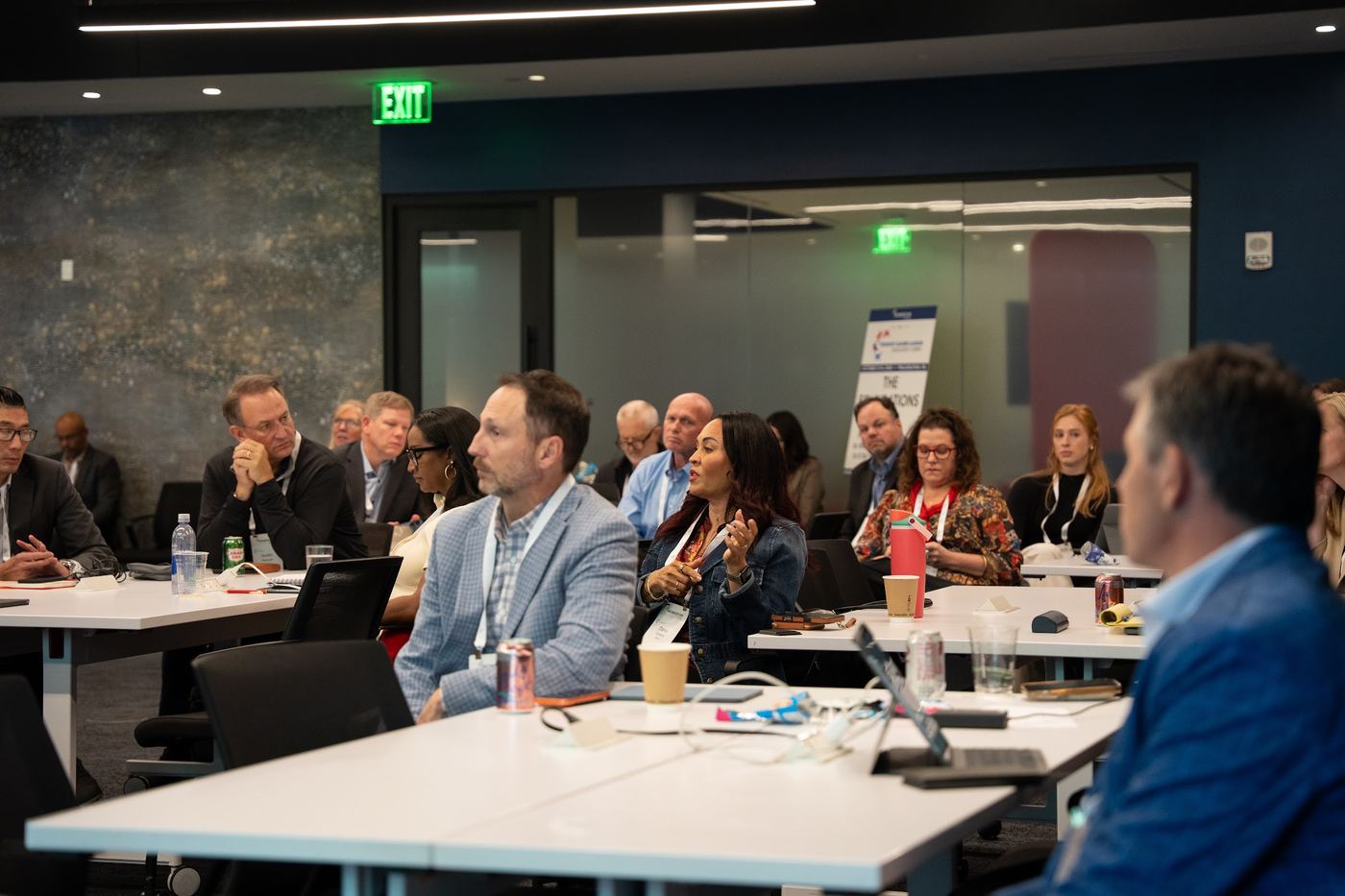
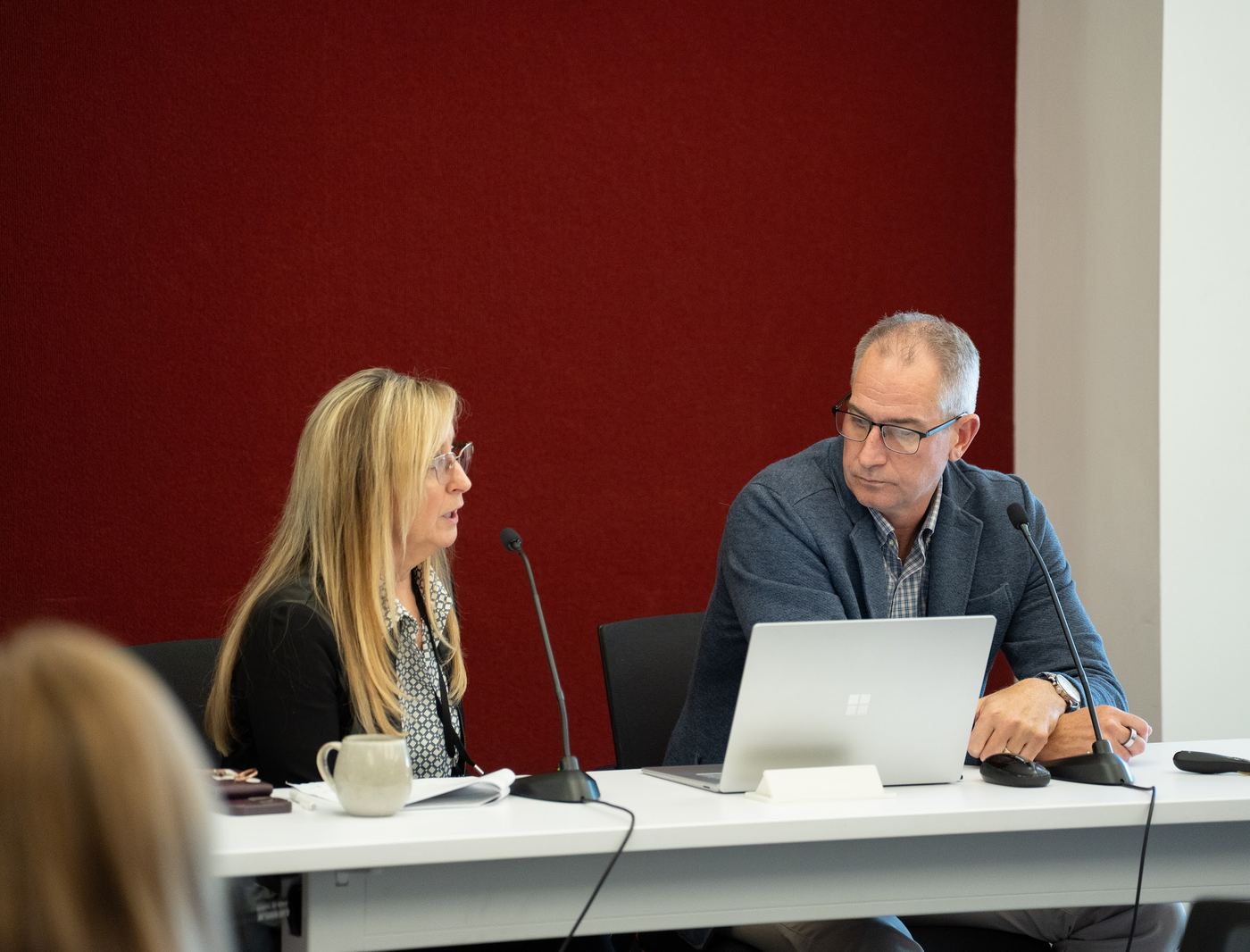
Panel discussions
Leaders from different companies take the same question and show where their answers differ.
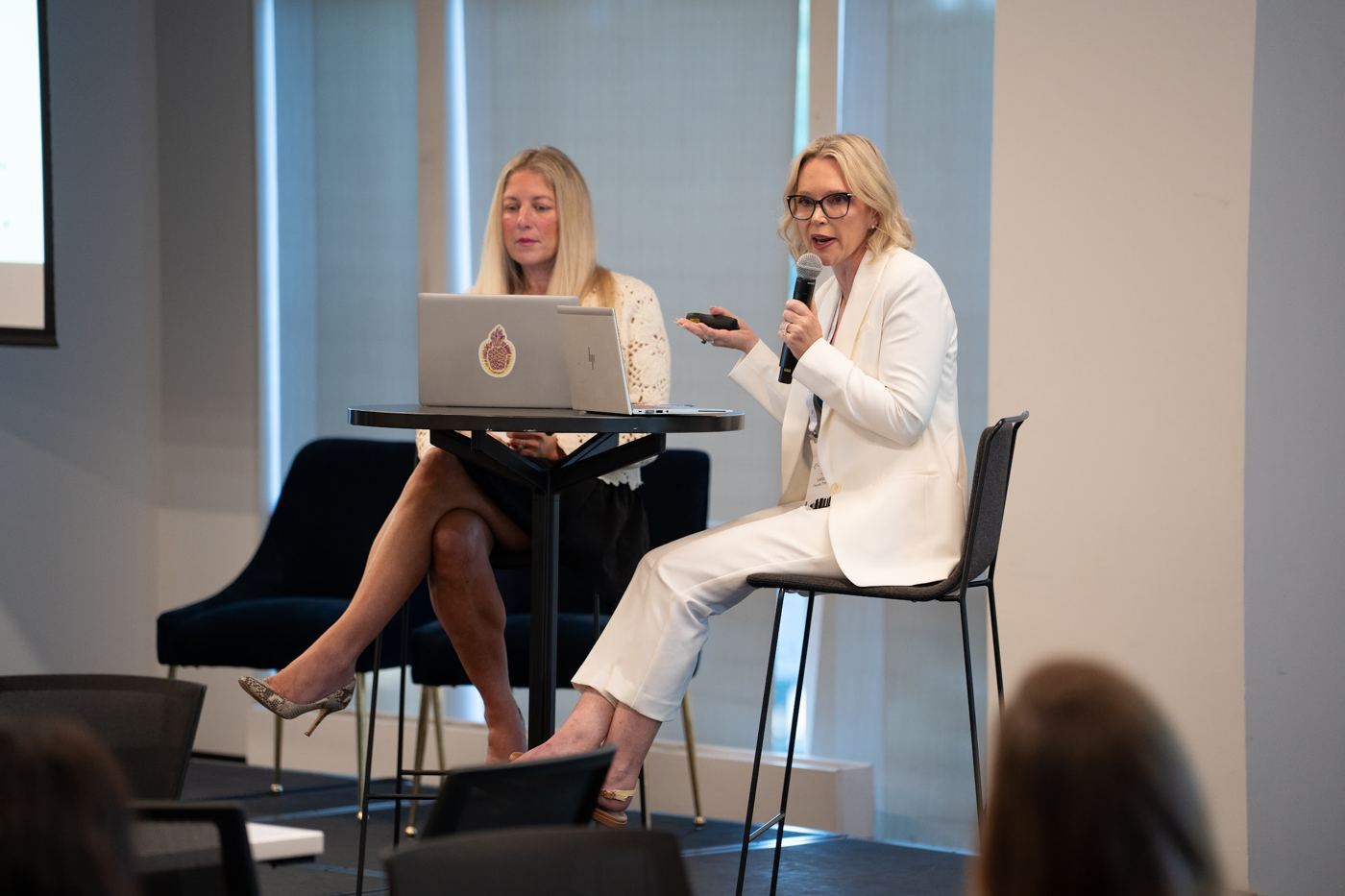
Pharma case studies
What was built, what it cost, what it changed, and what the team would do differently.
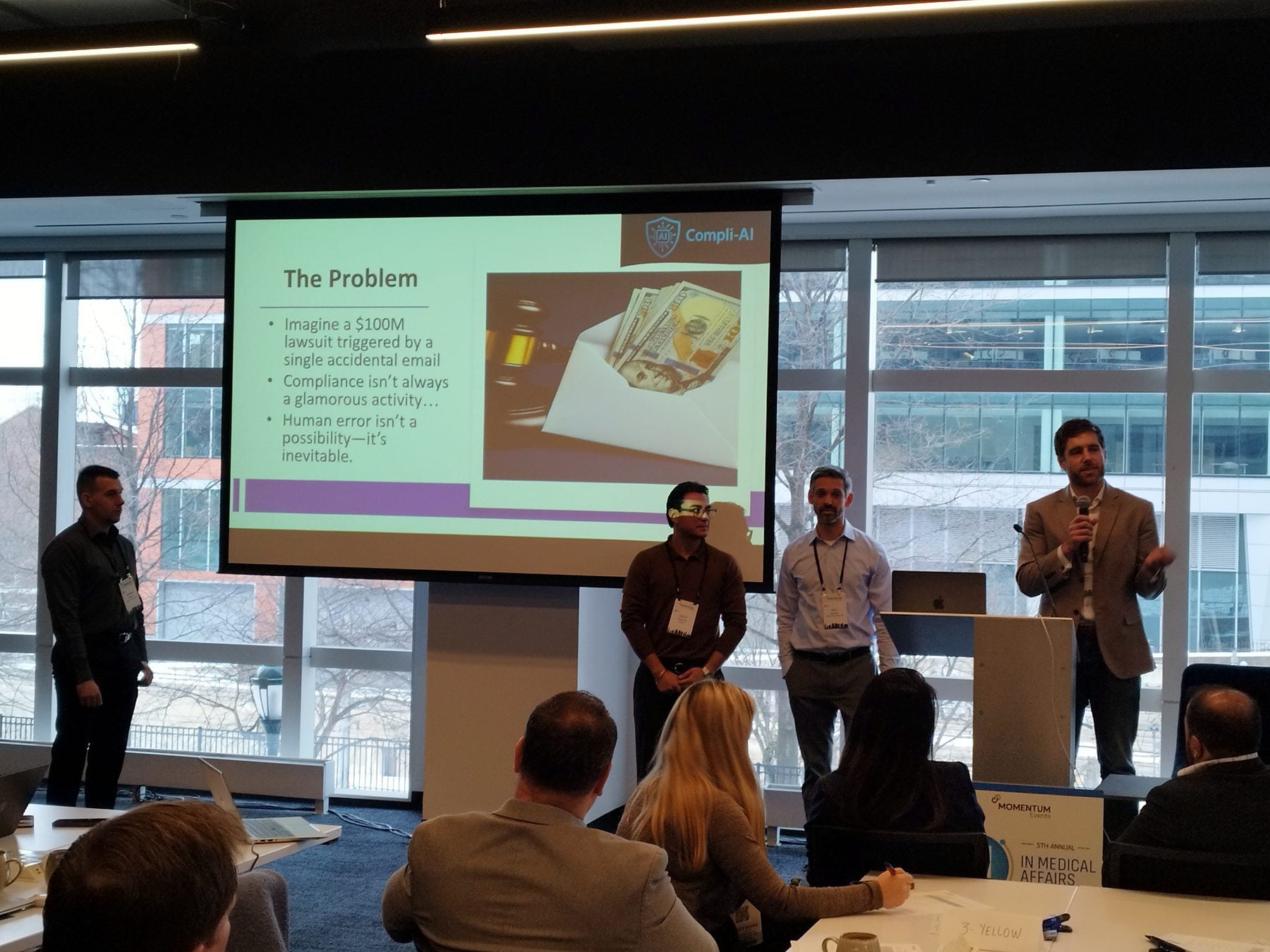
Shark Tank 3.0
Attendee teams pitch AI use cases to a panel of Sharks. The session people talk about after they leave.
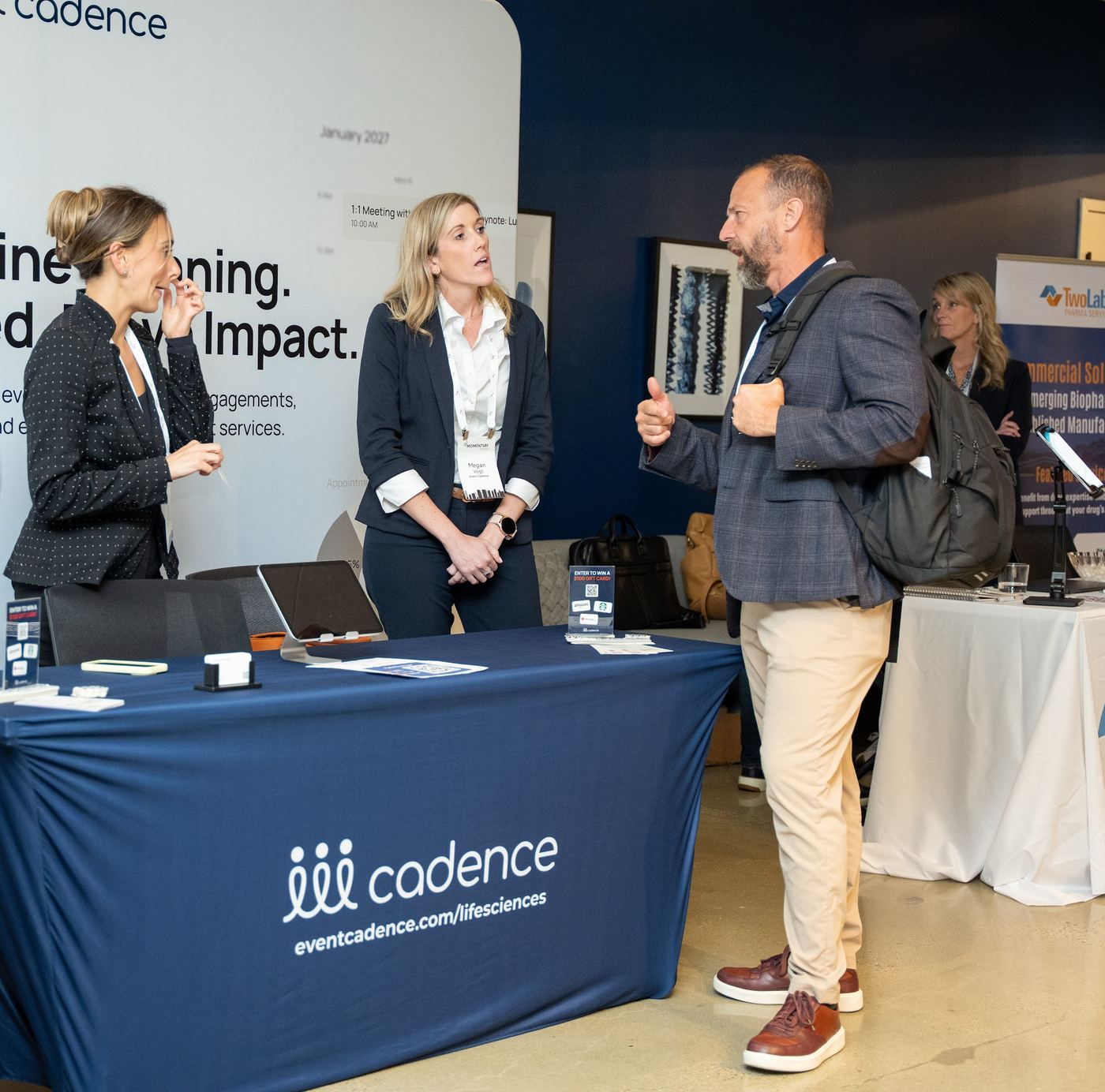
Exhibit area
AI platforms and medical affairs partners, steps from the general session room.

Evening reception
Day one closes with drinks and conversation with the faculty and your peers.
Human at the Helm, AI in the Loop
January 26–27, 2027 · Convene, Philadelphia · All times Eastern
Day One
Tuesday, January 26- Registration & Networking Breakfast
- Opening KeynoteChairperson Opening Remarks & Intro Keynote: From Answers to Work Vivek Mukhatyar, Pfizer · Neha Shah, Vertex Pharmaceuticals
Session details
The north star stays the same: better patient outcomes through rapid-cycle evidence generation, compliant scientific exchange and data-driven insight. What changes is the unit of work AI can carry, from a single answer to a multi-step workflow a human approves. The session opens with the room’s own trend line (daily AI use went from about 20% in 2025 to 86% in 2026) and re-runs the poll live. We built the curiosity muscle, then the integration muscle; 2027 is about redesigning the work. It sets up the two days: augment, co-work, delegate.
Key questions
- TodayWhere are our teams still using AI one question at a time, and what does that cost in handoffs?
- NextIf an agent can run a full workflow for hours, what is the smallest piece of work that must still pass through a person?
- Case StudyCencora Case Study Bee Pandya, Cencora
- PanelMedical Affairs Leadership PanelTurning AI investments into measurable Medical Affairs impact Emmanuelle Clerisme-Beaty, Boehringer Ingelheim · Eddie Power, Bausch Health
Session details
Deciding where the work goes, and measuring the return. Leaders map real Medical Affairs workflows to three modes: human-led with AI assist, human and AI side by side, and agent-run with human sign-off. Putting an electric motor where the water wheel was changed little until the factory itself was redesigned. ROI is measured per redesigned workflow, not per tool licence, and most of the effort sits in people and process, not the algorithm.
Key questions
- TodayWhich processes are we augmenting first, and why? (Likely candidates: medical information response drafting, literature surveillance, insight synthesis, congress coverage, MSL pre-call planning, publication planning support, medical review pre-checks.)
- TodayHow do we compare vendors when the underlying models change every few months?
- NextWhen a task moves to an agent, what happens to the role that used to do it, and who decides?
- NextWhat does ROI look like when the gain is capacity redeployed to higher-value scientific work, not headcount?
- Networking Break
- Woven Health Presentation
- PanelThe Accountability Line: What Stays Human When Agents Do the WorkKeeping scientific judgment, trust, and accountability at the center Pooja Smith, bioMérieux · Prashant Thakkar, Daiichi Sankyo
Session details
As agents take on drafting, searching and checking, the human role shifts to setting the goal, owning the decision and protecting relationships. This session defines that line in practice, including safe lanes where agents proceed, flag, or must stop.
Key questions
- TodayWhich decisions and HCP interactions can never be delegated, and are they written down anywhere?
- TodayHow do we stop human in the loop from becoming a rubber stamp?
- NextWho is accountable when an agent’s output is wrong: the reviewer, the builder, or the function?
- NextHow do we keep scientific judgment sharp when people review more than they create?
- NextSome studies already show AI alone outscoring clinicians working with AI on narrow tasks. How do we design the handoff so the human adds judgment instead of noise?
- Lunch Break
- Case StudyBuilder and Gatekeeper: Standing Up AI in a Small-Biotech Medical Affairs FunctionA practitioner’s view of building and governing AI with a lean team Savan Patel, Liquidia Technologies
Session details
Much of the AI conversation in Medical Affairs is shaped by large pharma, with its dedicated budgets, data science teams, and enterprise platforms. But what can a lean Medical Affairs team realistically achieve? Discover a practitioner’s view from a small biotech that has been building and refining its approach over time. It covers how general-purpose AI tools can power high-value work such as field insight synthesis, pharmacovigilance reanalysis, and publication planning without large-scale infrastructure. It also examines the other side of the role: acting as a gatekeeper, putting practical governance in place, and taking a measured view of agentic AI. Attendees will leave with a realistic blueprint for innovating responsibly when resources are limited.
Key questions
- What can a small Medical Affairs team realistically build with general-purpose AI, and where does it deliver the most value?
- How do you put meaningful governance in place without the resources and infrastructure of a large pharma company?
- How should lean organizations approach agentic AI, and where should the line be drawn today?
- VML Presentation
- Networking Break
- PanelFrom Insights to Impact: Using AI to Map HCP Knowledge Gaps to Build the Right ContentDelivering the right scientific message on the right channel at the right moment Apeksha Patel, Novartis
Session details
Explores what AI does to knowledge gaps, scientific exchange and the content we produce, and the role shift it forces: from information delivery to verification, from data provision to context, from search engine to sense-maker.
Key questions
- TodayWhat are HCPs asking these tools about our disease areas, and are the answers accurate, current and on-label?
- TodayHow should Medical Affairs think about ads shown inside AI answers, and where is the line with promotion?
- NextIf the first answer an HCP sees comes from an AI, how do we make sure our evidence is visible, correctly cited and fairly represented?
- NextWhen ambient tools surface evidence and trial eligibility during the patient conversation, where does scientific exchange happen?
- NextCan what HCPs ask AI become a new source of insight on knowledge gaps?
- Game-Themed SessionShark Tank 3.0! Build & Pitch a Digital TeamSeparating AI hype from real-world value Carl de Luca, Structure Therapeutics · Nandini Sabharwal, Pfizer
Session details
Last year teams vibe-coded working prototypes overnight. This year the bar rises: each team builds a small agent team (a coordinator plus evidence, drafting and review agents) for one real Medical Affairs workflow, such as a congress readout or insight report, on synthetic data. Teams set human checkpoints and stop rules, run it, and pitch it working, not on slides. Sharks score on three tests: Own it (a named person decides), Bound it (clear inputs, outputs and stop rules), and Measure it (effort, rework, value). Each pitch must show one failure and how it was caught.
Key questions teams must answer
- What context does each agent need, and what should it never see?
- Where do the human gates belong, and what does an agent do when it is unsure?
- How would one person supervise this team without becoming the bottleneck?
- Cocktail Reception
- Day One Ends
Day Two
Wednesday, January 27- Networking Breakfast
- Shark Tank Winners & Welcome to Day 2
- PanelEvidence Generation ForecastAdvancing Medical Excellence with AI
Session details
Covers AI-driven gap analysis, faster study design, RWE synthesis and integrated evidence plans, and debates a harder question: if clinicians increasingly meet our evidence through AI tools, how do we publish and disclose so that evidence is found, cited correctly and kept current?
Key questions
- TodayWhere is AI already speeding up gap analysis, feasibility and RWE synthesis, and where does it still need heavy checking?
- NextShould publication planning consider how AI tools ingest and cite evidence (open access, plain-language summaries, structured data)?
- NextWho in Medical Affairs owns monitoring how our evidence shows up in AI answers?
- PanelAI Adoption Challenges in Field MedicalMoving MSL teams from skepticism to everyday use Amanda Rosen, Pfizer · Alex Shiling, Alkermes · Parth Khanna, ACTO
Session details
Basic prompting is now table stakes. This panel covers today’s barriers (trust, workflow disruption, compliance, skills), a path that works (individual fluency, then a community of practice, then enterprise projects), and the role shift underway: the MSL who prepares with AI, meets an HCP who has already asked AI, and captures insight that agents turn into decisions.
Key questions
- TodayWhat training, tools and guardrails actually get MSLs to use AI every week?
- TodayWhich field tasks are worth augmenting first: pre-call planning, insight capture, post-call follow-up?
- NextBefore an important meeting, should an MSL check how leading clinical AI tools summarize the latest data, since the HCP likely has?
- NextWhat does the MSL role become when preparation and documentation take a fraction of the time?
- Networking Break
- DemosOpen Demo Flash Session
- Keep the Pace: Educate the Organization as Fast as the Tech MovesTurn data, insights, and scientific expertise into actionable intelligence Bilal Saiyad, Biogen
Session details
How far the technology has come, from chat answers in 2023 to agents that run multi-step work, use tools and build software today, and what is likely next. Then how leading teams build AI fluency fast and keep it current: tiered skills (AI-aware for everyone, builders, a small group of experts), champion networks and communities of practice, learning in the flow of work, and leaders who model the behavior.
Key questions
- TodayOur training was out of date within months. How do we design education that refreshes as fast as the tools change?
- TodayWhat is the minimum every Medical Affairs professional must know now, and how do we get the whole organization there in one quarter, not one year?
- TodayHow do we bring along skeptics and people who fear AI is coming for their job?
- NextWho in the function owns tracking emerging technology and translating it into what it means for us?
- NextAs agents take on more work, does education shift from using tools to supervising, instructing and checking digital workers?
- End-to-End Upscale in Medical AffairsBreaking down silos to scale AI across the medical value chain Renu Juneja, ADPAL
Session details
Many Medical Affairs organizations have proven AI’s potential in isolated pilots, but few have managed to scale it across the function. The biggest obstacles are often organizational rather than technical: data, technology, and teams that operate in silos. This session explores how leaders can break down those barriers and connect AI across Medical Information, Field Medical, Publications, HEOR, and Evidence Generation through shared platforms and integrated workflows, and how to turn successful pilots into enterprise-wide capabilities through shared data standards, clear ownership, and a unified roadmap that lets the whole function move forward together.
Key questions
- TodayWho validates a tool an MSL built over a weekend, and when does it fall under GxP, MLR or computer-system validation rules?
- TodayHow do IT and data teams shift from gatekeepers to platform owners that make safe building easy?
- NextWhich building skills does every Medical Affairs professional need: writing instructions, setting context, testing outputs, knowing when not to automate?
- NextIf people build their own digital workers, how do team structures, career paths and spans of control change?
- Networking Lunch
- PanelMeasure What Matters: KPIs and Analytics for True Medical Affairs ImpactMoving beyond activity metrics to show real value
Session details
Medical Affairs has long relied on activity metrics such as calls made, slides presented, and inquiries answered. Those numbers rarely capture the function’s true value. This session explores how to build KPI frameworks that measure what matters most: scientific influence, changes in HCP behavior, and better patient outcomes. Learn how advanced analytics and AI can reveal patterns, benchmark performance, and predict where Medical Affairs adds the most value, and how to turn impact data into clear, compelling stories that build leadership confidence, guide resource decisions, and strengthen Medical’s strategic voice.
Key questions
- TodayWhich KPIs show impact rather than activity, and can AI help us measure them? (A rule from this meeting in 2026 still applies: do not measure anything you are not going to act on.)
- TodayHow do we tell an honest story to leadership about what AI has and has not delivered?
- NextHow do we measure the performance of an agent the way we measure a team member?
- NextHow do we track whether the organization is actually changing, not just piloting?
- Generative Engine Optimization in Medical Affairs: Making Scientific Content Visible to AIMaking sure AI engines find and represent your science accurately as HCPs turn to them for answers
Session details
As HCPs and other stakeholders increasingly turn to generative AI for answers, inquiries to traditional medical information services are falling. That changes how scientific information reaches the people who need it. This session covers why Medical Affairs must rethink its medical letters, publications, and scientific communications so they serve two audiences: the people who read them and the AI engines that now sit between companies and their stakeholders.
Key questions
- How can Medical Affairs teams plan scientific content from the start so that generative and answer engines can find and use it?
- How do you check whether your data is being indexed and accurately represented by leading AI platforms?
- What steps should organizations take to close visibility gaps before misinformation or silence fills them?
- Closing Panel & Interactive SessionThe Medical Affairs Team of 2030Rethinking the function’s role, roadmap, and relevance in an AI-first era Vivek Mukhatyar, Pfizer · Neha Shah, Vertex Pharmaceuticals
Session details
Roles, skills and the org chart after agents. This session builds on the five shifts named at the 2026 meeting: proactive evidence and real-world insight, ethical AI partnerships, AI trust architects for HCPs, context-aware decision support, and cross-functional AI governance. A panel is followed by a table exercise: tables pick one Medical Affairs sub-function, sort its work into stays human, co-worked with AI and delegated to agents, then sketch the roles and skills that remain. Panelists react to what the room produced.
Key questions
- TodayWhat skills gaps do we see now, and are we training people for the roles they will actually hold?
- TodayHow do we lead change when people fear AI is coming for their job?
- NextWhich new roles appear (agent supervisor, evidence and knowledge steward, AI quality lead), and which roles shrink?
- NextHow does Medical Affairs earn a stronger seat at the strategic table when much of its execution is automated?
- Event Ends
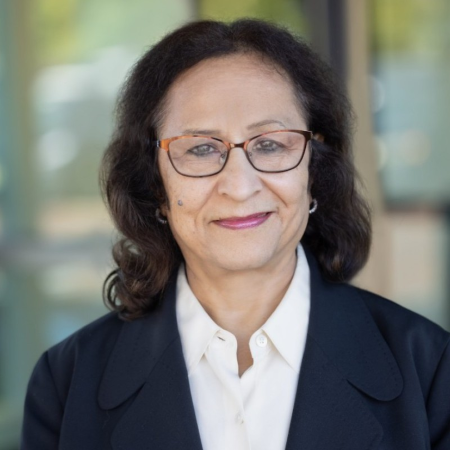
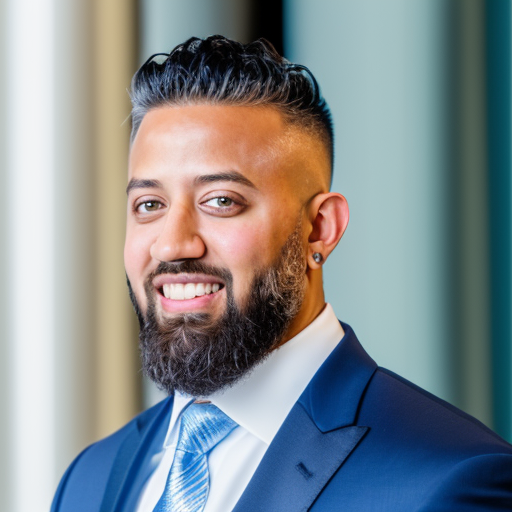
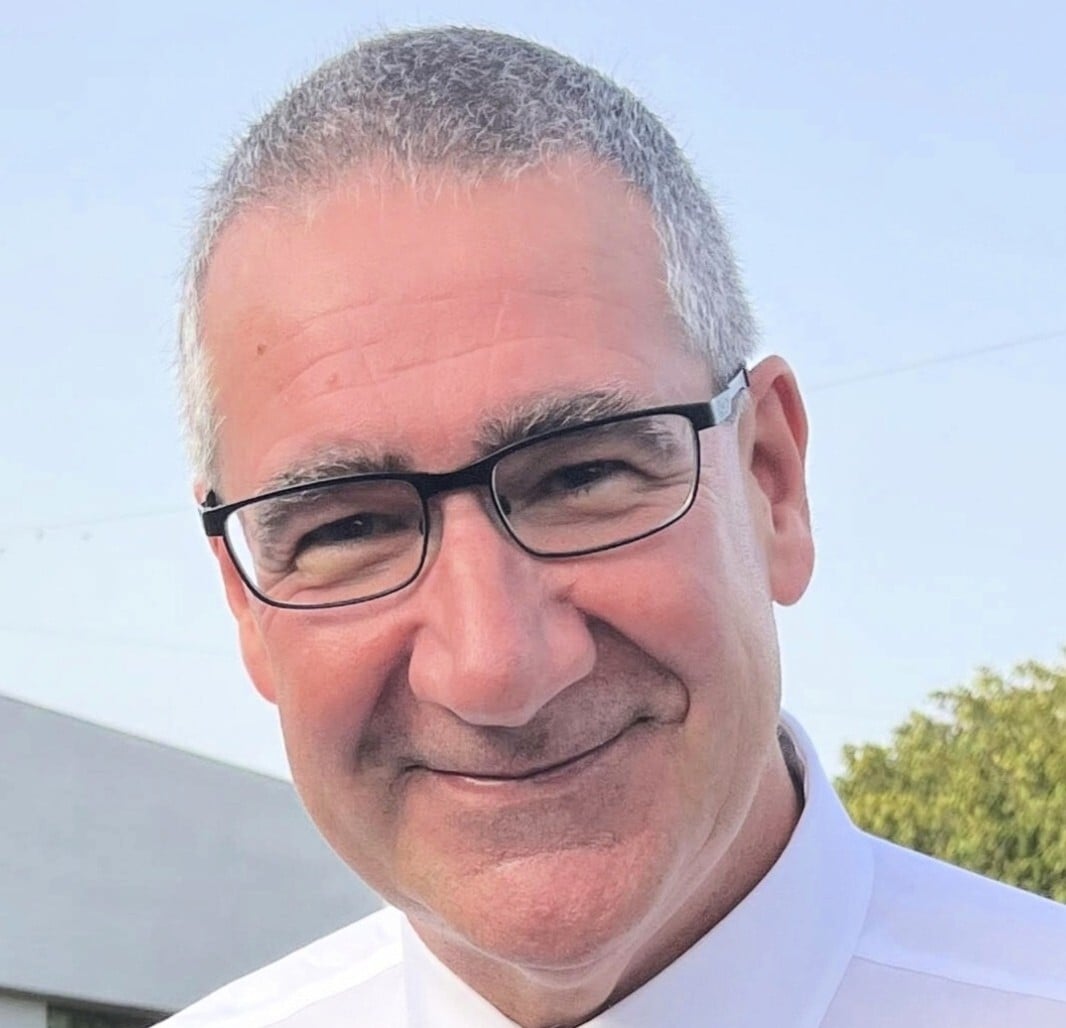
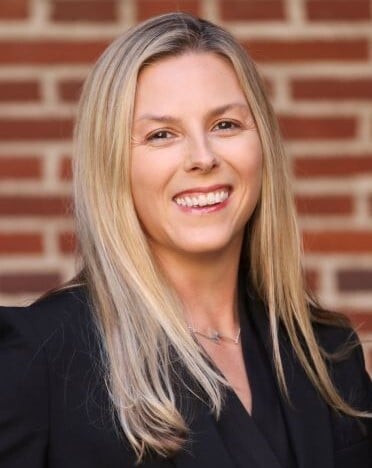
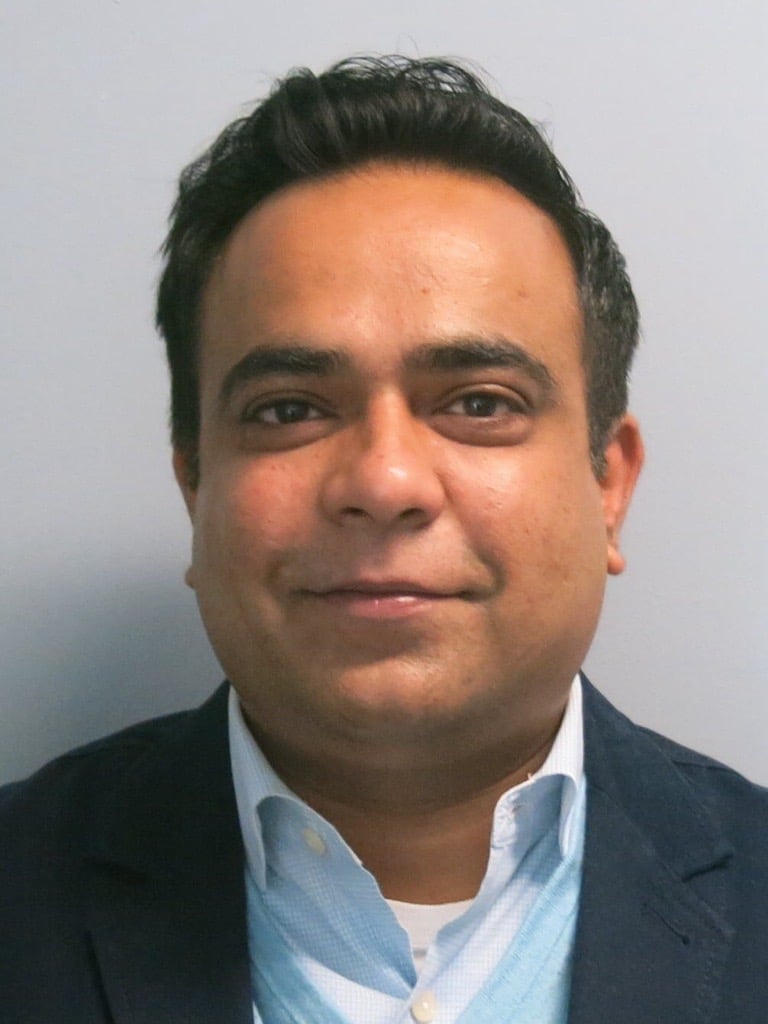
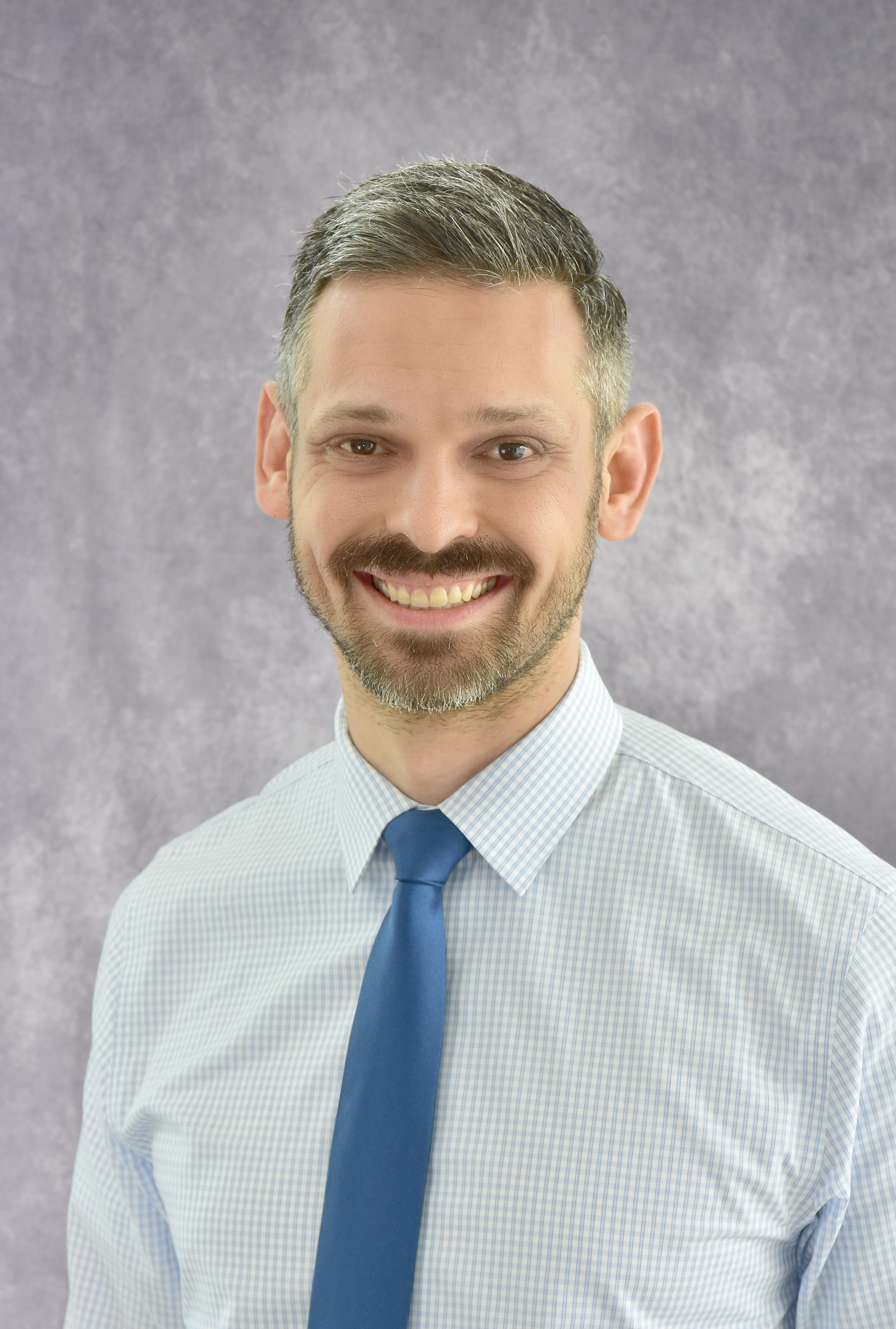
The 2027 speaking faculty
Senior medical affairs leaders and AI practitioners from across pharma, biotech and device. More speakers will be announced here as they confirm.
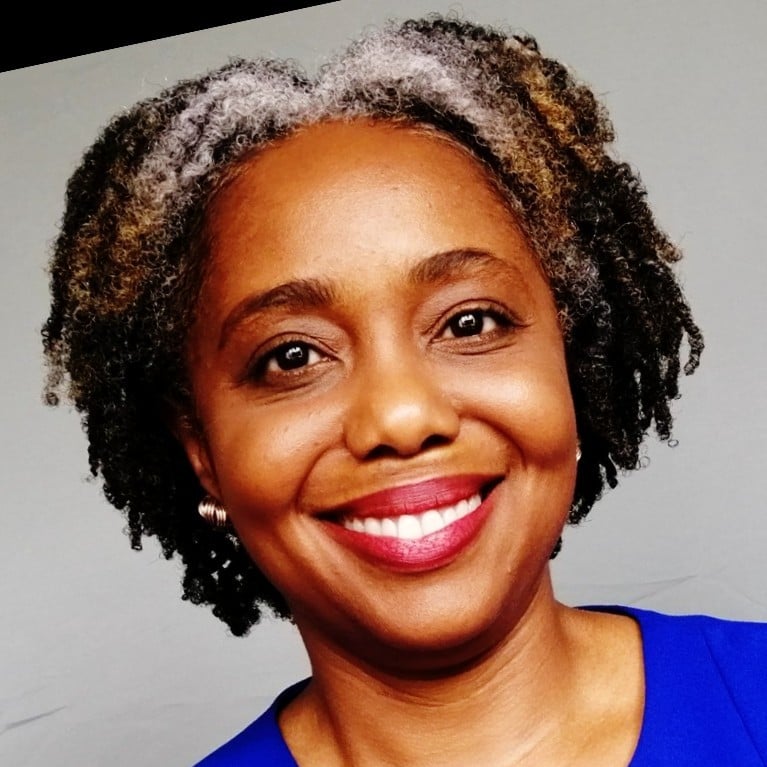
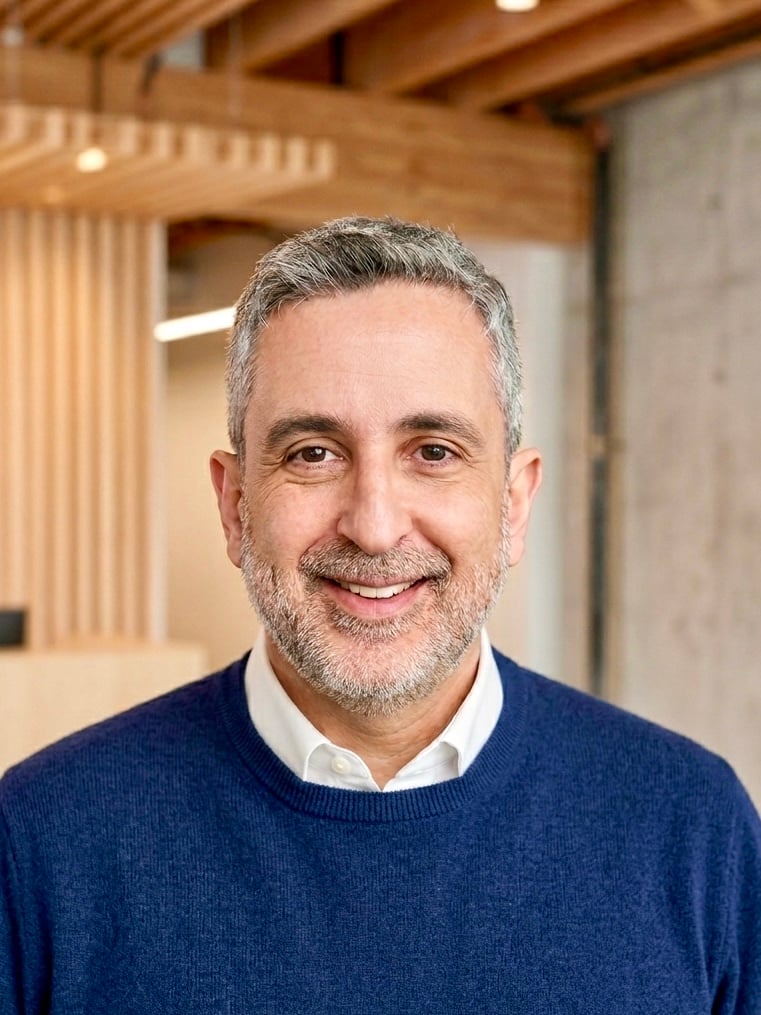





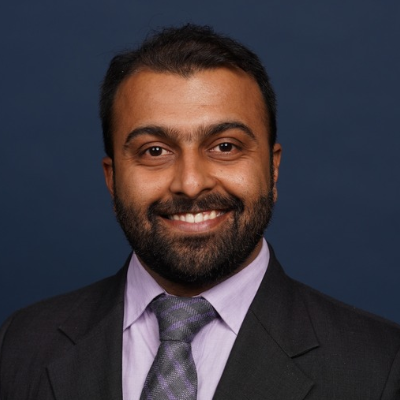
Interested in becoming part of our 2027 speaking faculty?
Send us your session idea and a short bio. Your submission goes straight to Jonathan Banchs, who programs the summit, and he will follow up by email.
Inside the room
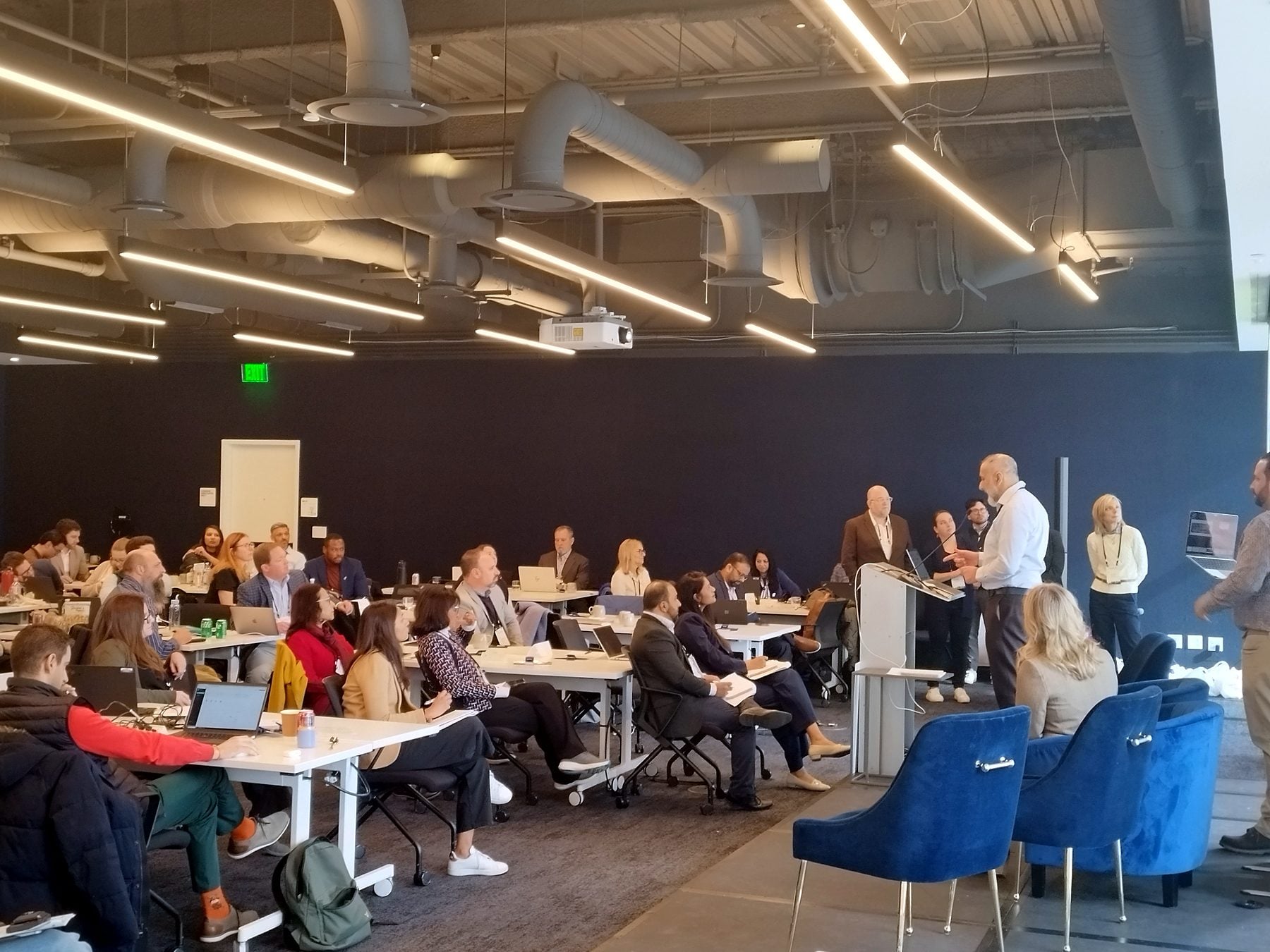
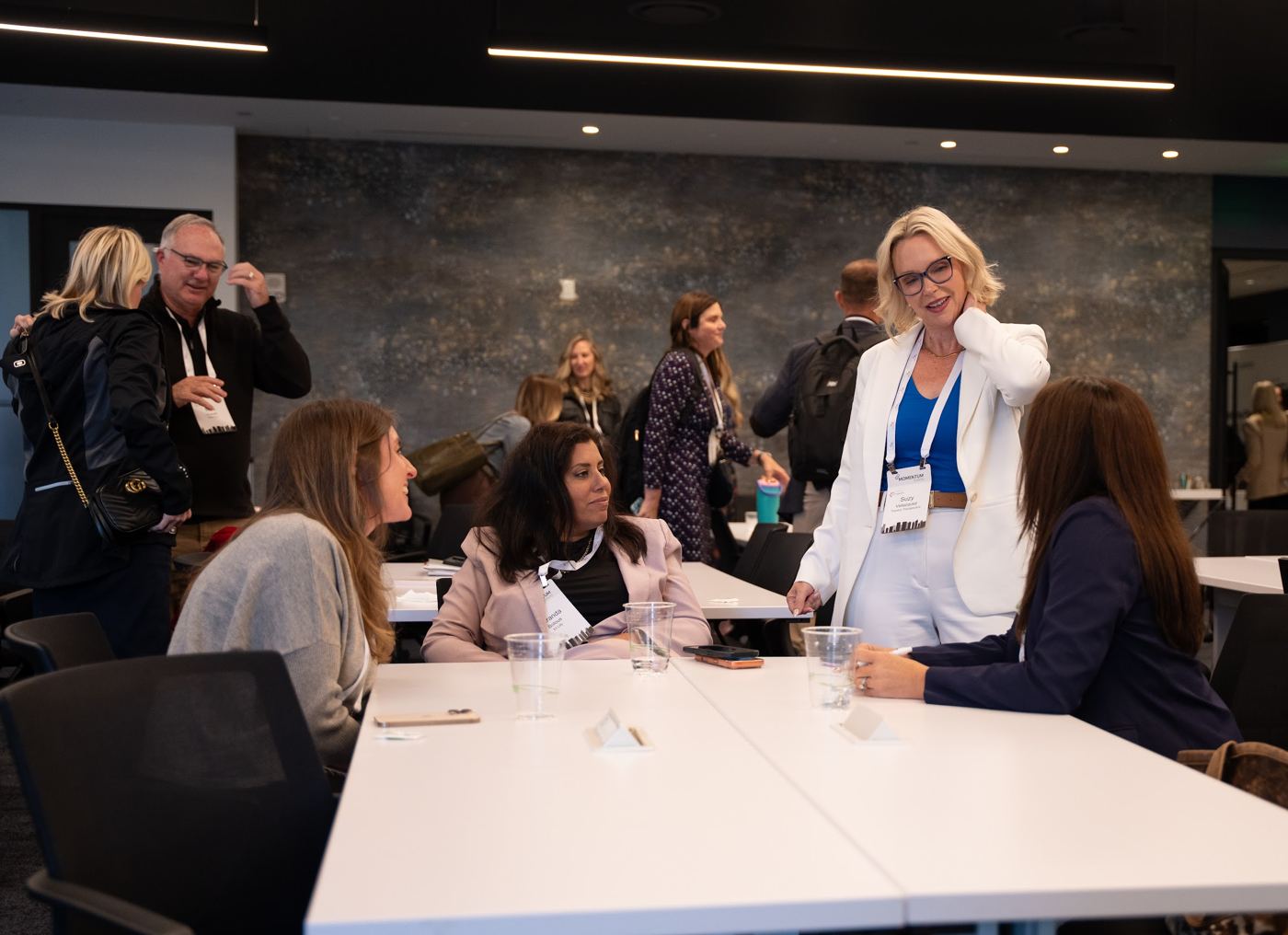
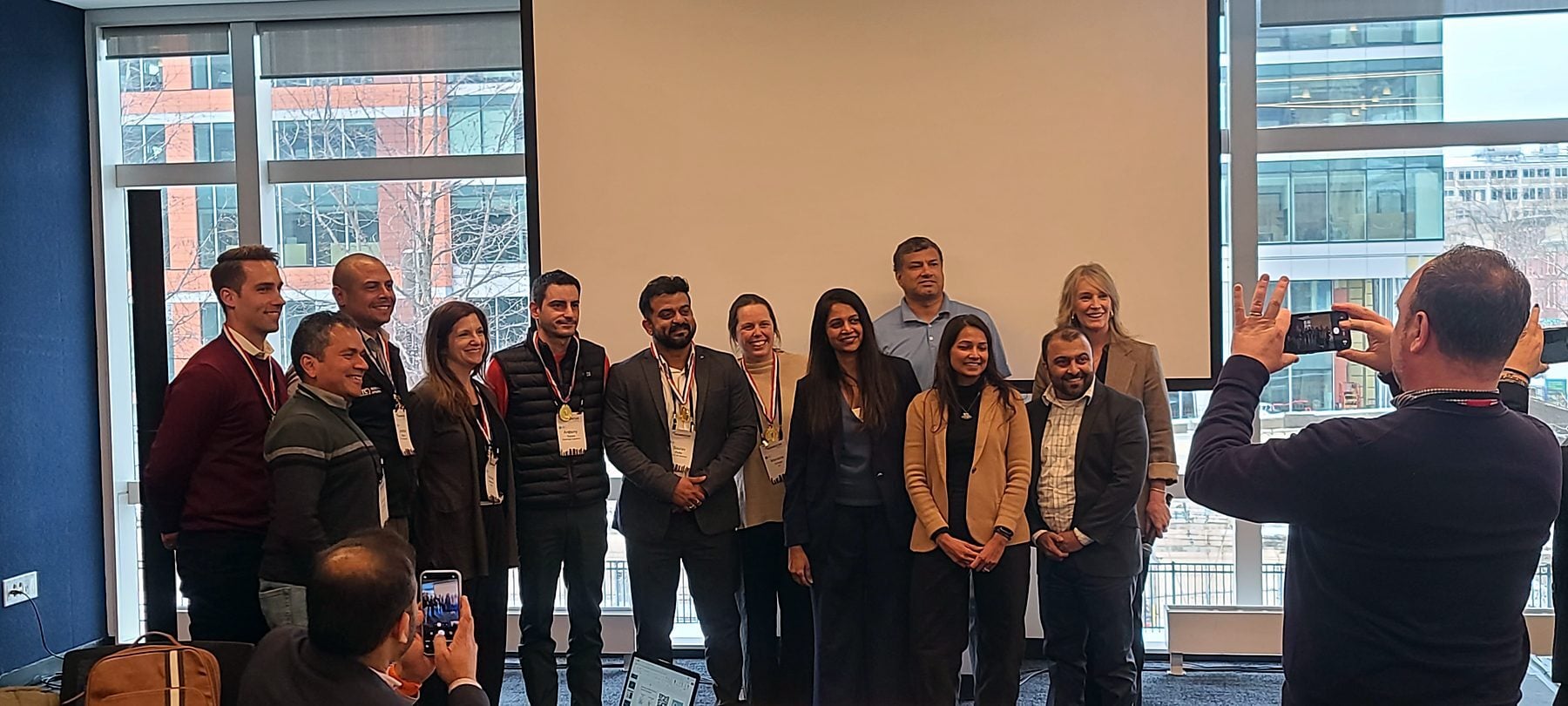
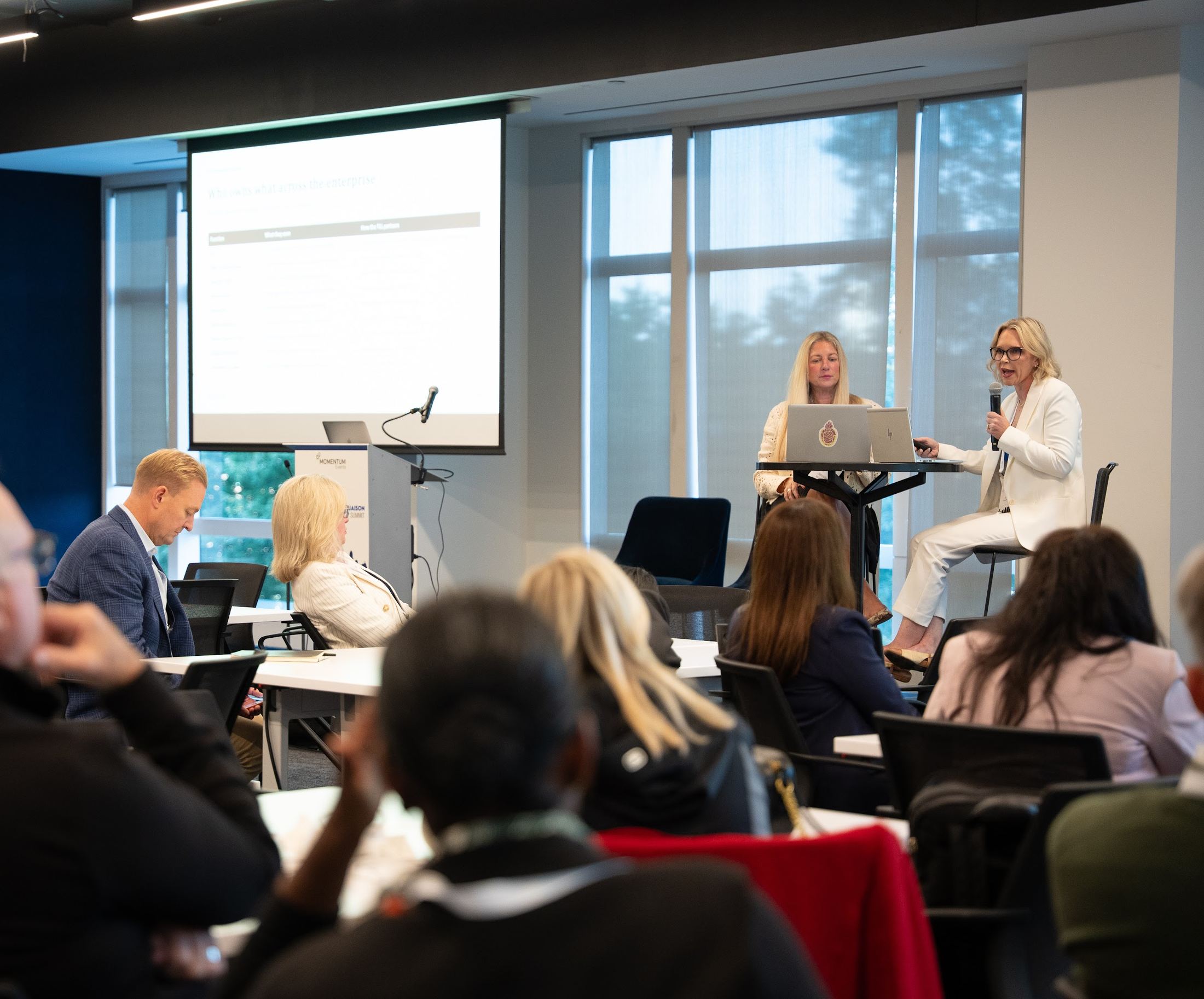
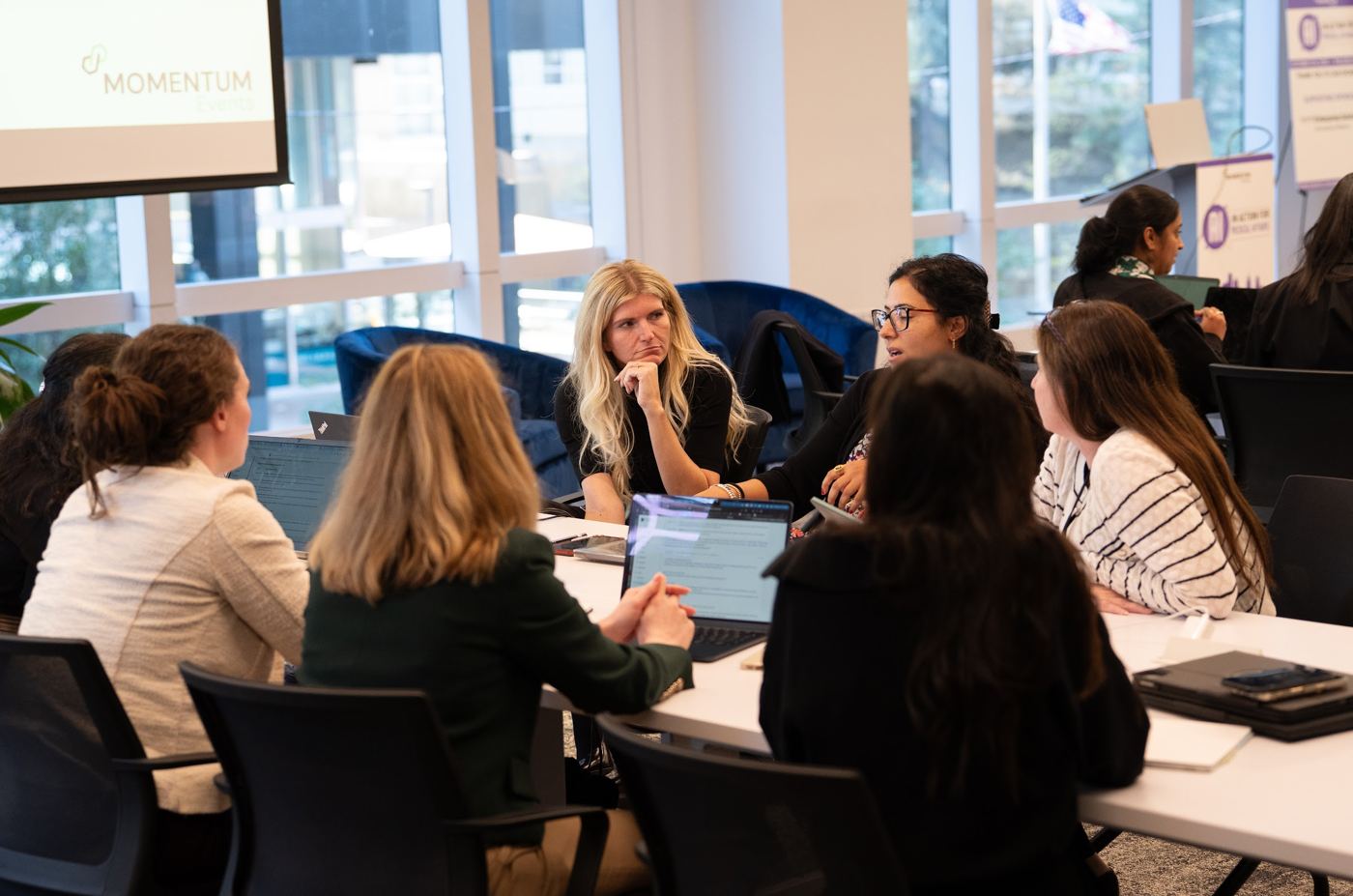
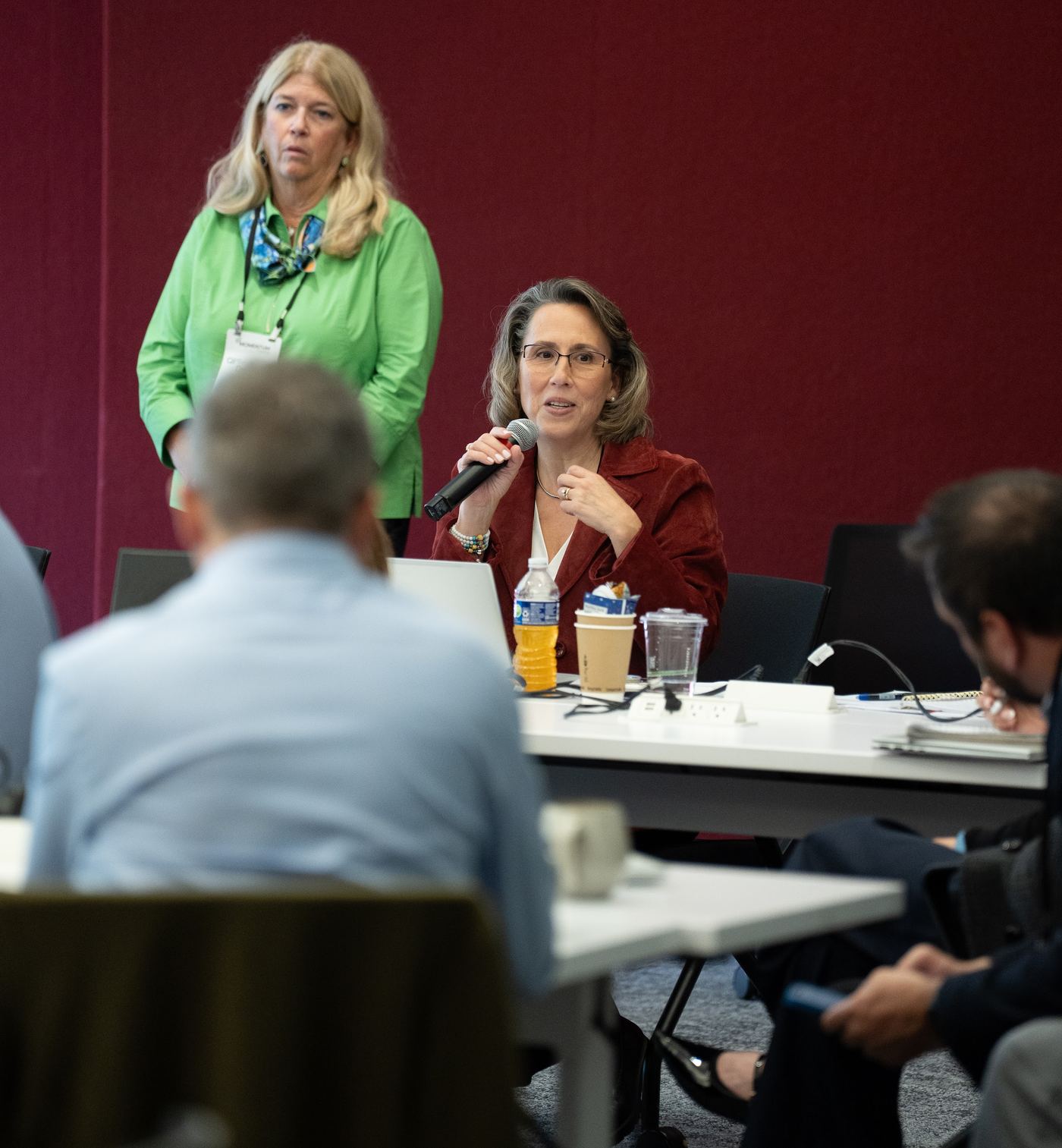
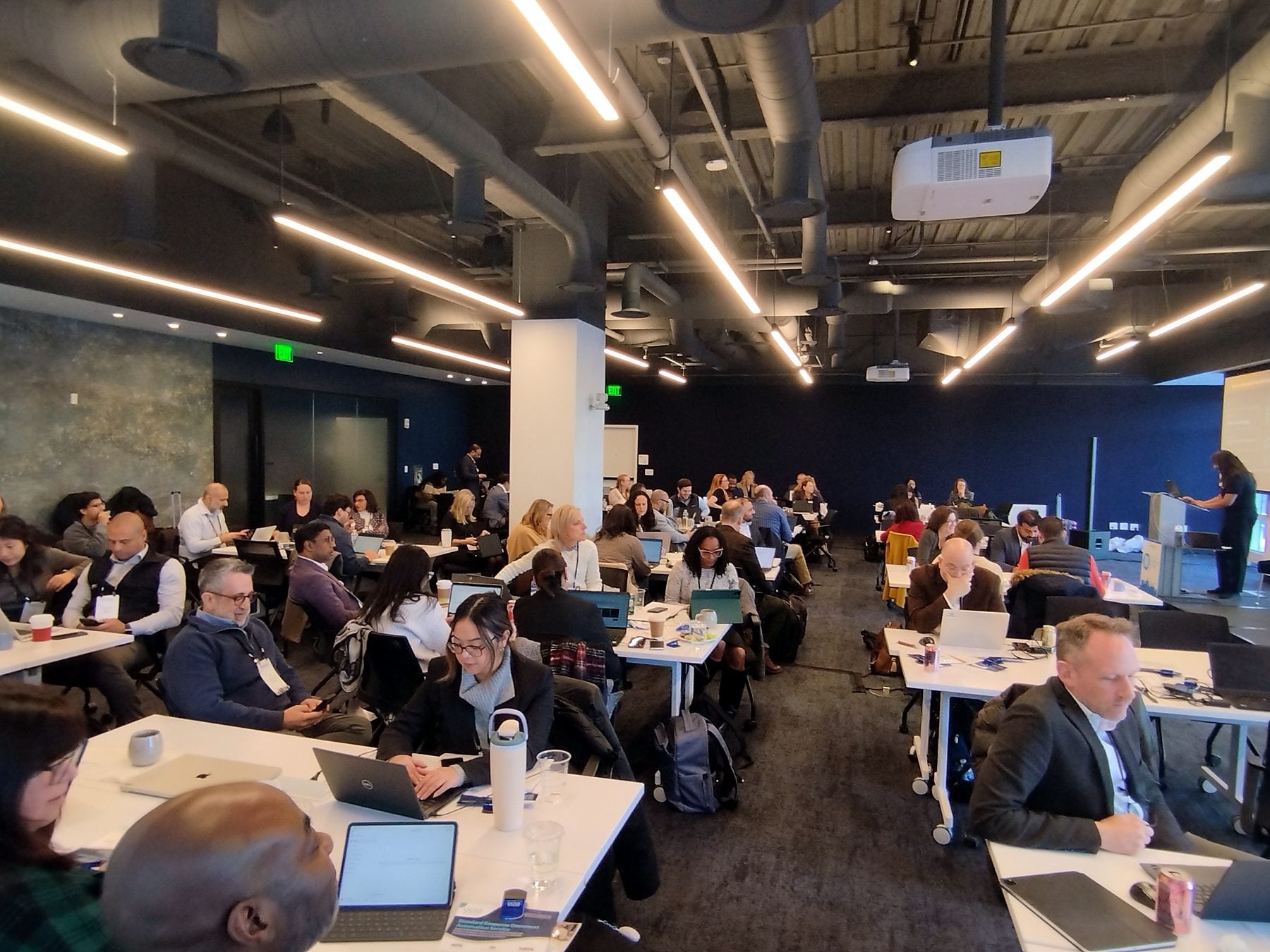
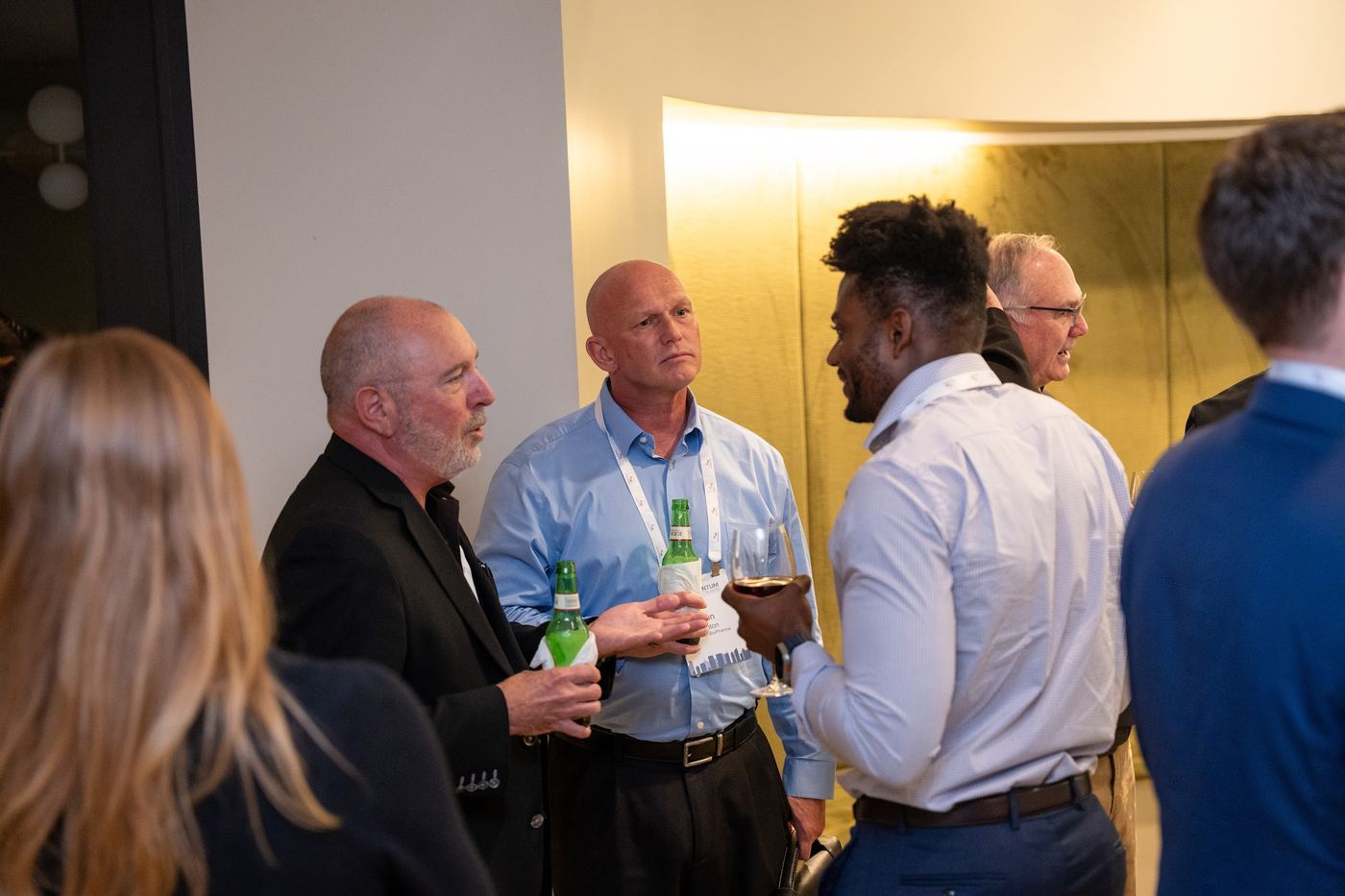
Photos from the 5th AI in Medical Affairs Summit (January 2026) and other Momentum Events programs at Convene, Two Commerce Square, Philadelphia.
What attendees say
A great combination of very relevant content, great speakers, and great medical affairs professionals.AttendeeSanofi
Loved the Shark Tank session because it brought everyone together to think of creative ways to solve problems for Medical Affairs teams.AttendeeBiogen
I thoroughly enjoyed the panel discussions. This allowed all of us to participate and guide the conversation to things that were most pressing right now.AttendeePfizer
There were great different sessions and sharing of examples. We all were learning and growing together.AttendeeAlexion Pharmaceuticals
All the speakers were excellent, and Vivek was a standout! I truly appreciated his insights and his skillful moderation throughout the event.AttendeeMerck
Previous companies in attendance
Medical affairs teams from these companies, and many more, have attended the summit.
























Register early, pay less
Rates step up three times before the summit, so the earlier you register, the less you pay. Registrations are reviewed before they are confirmed.
| Rate | Register by | Pharma, biotech and medical device | Solution providers and vendors |
|---|---|---|---|
| Early Bird Current rate | December 4, 2026 | $1,995 | $3,095 |
| Advance | January 8, 2027 | $2,195 | $3,295 |
| Standard | After January 8, 2027 | $2,395 | $3,495 |
Every pass includes both days of sessions and panels, Shark Tank 3.0, the evening reception, and meals and breaks during the program. Each rate closes at 11:59 PM ET on its date.
Register at the Early Bird rate
Early Bird pricing runs through December 4, 2026.
Bring your team
Group rates for teams from one company. Ask Arianne Leclair.
arianne@momentumevents.com
Sponsoring or exhibiting?
Packages and exhibitor passes are arranged through our sponsorship team.
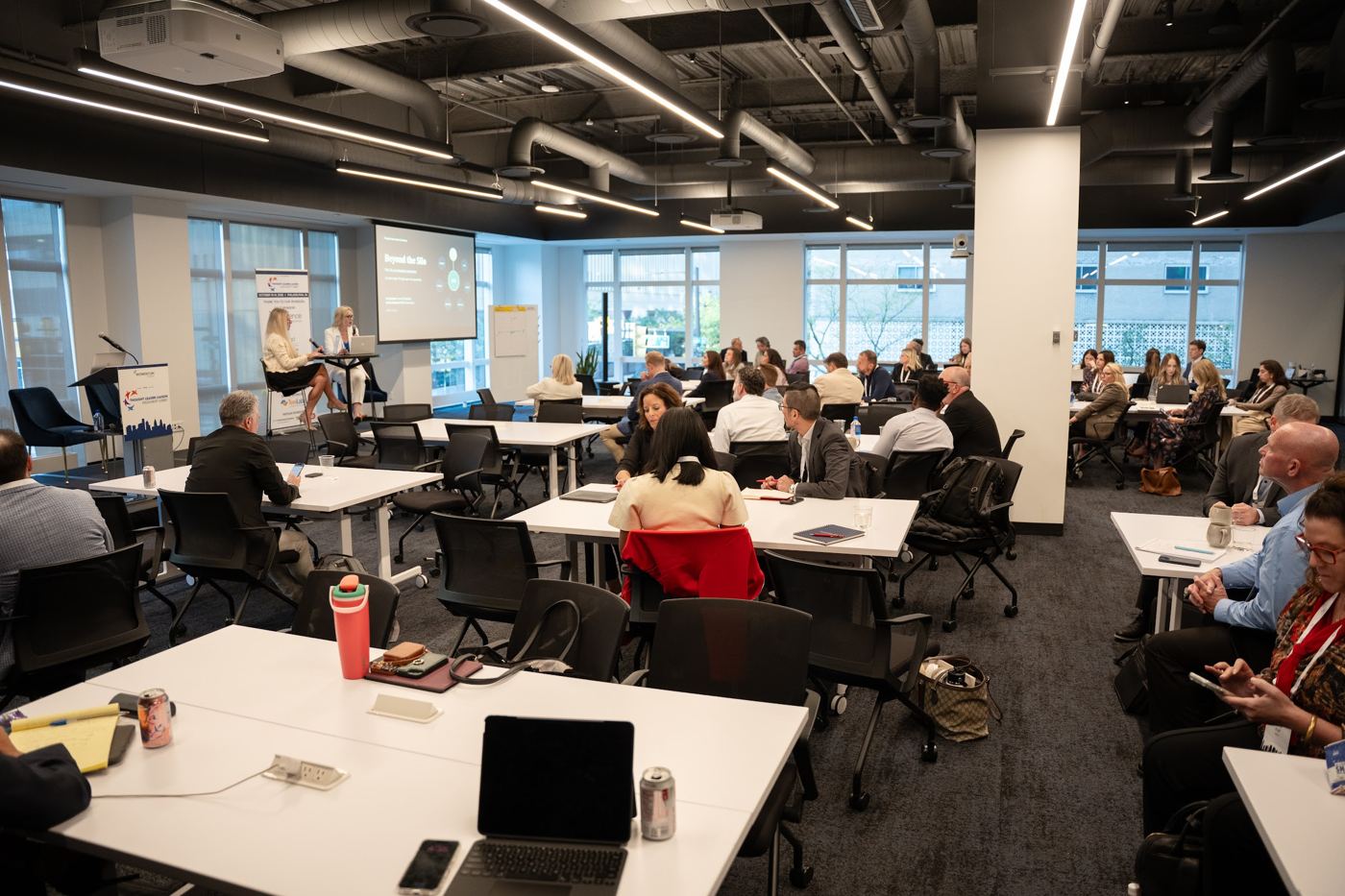
Back at Convene for 2027
2001 Market Street, Philadelphia, PA 19103
The 5th summit ran here in January 2026, and the 6th returns to the same venue in Center City Philadelphia.

2027 sponsors and partners
Thought leadership

Showcase leadership

Associate

Media partners


Want to be in front of the people deciding how medical affairs uses AI?
Sponsor the 6th summit and meet medical affairs, field medical and medical information leaders from pharma, biotech and device. Thought leadership sessions, exhibit space and branded experiences are available. Speaking slots are limited.
Why the human side of medical affairs matters more in the age of AI
At the 5th summit, NeoOptima, part of Cencora, ran a workshop on what makes a conversation between an MSL and an HCP effective, and how AI can now measure the quality of that connection. This short read shares their takeaways and previews the new workshop they are bringing to Philadelphia in January.
- 20%more high-quality outcomes
- 68%more effective coaching
- 50%improvement in connection
Changes associated with AI-enabled insight and feedback in MSL-to-HCP conversations, from NeoOptima’s analysis.
Plan your two days before you arrive
Every attendee gets the Momentum app: see who is coming, request meetings, and build your own agenda.
Frequently asked questions
What is the AI in Medical Affairs Summit?
A two-day summit on how pharma, biotech and medical device companies are applying AI across Medical Affairs, from field medical and medical information to medical communications, HEOR and evidence generation. 2027 is the 6th edition. The program focuses on applying, implementing and measuring AI in a compliant way, with the people who are doing it.
Why should I attend?
- See how peers are applying AI in Medical Affairs and what resources it took
- Improve HCP engagement, patient outcomes and launch readiness with better data in the hands of medical teams
- Use AI to synthesize data faster and turn it into better insights and content
- Reduce the administrative load on field medical teams so they spend more time with HCPs
Who should attend?
Pharmaceutical, biotech and medical device professionals working in:
- Medical Affairs leadership, Global Medical Affairs and Medical Directors
- Field Medical, MSL teams and MSL Excellence
- Medical Information and Medical Communications
- Medical Excellence, Medical Capabilities and Medical Operations
- HEOR and Evidence Generation
- Digital Strategy, Digital Transformation, Data and Analytics
- Medical Education, Medical Writing and Medical Project Management
- Clinical Research and Development, Ethics and Compliance
Can I register a group?
Yes. Group rates are available for teams from the same company. Email Arianne Leclair at arianne@momentumevents.com and she will put together a package for your group.
How do I sponsor or exhibit?
Book a meeting with our sponsorship team at meetings.hubspot.com/frank481/11-meeting-with-frank, or review the options on the sponsorship page. Thought leadership and speaking opportunities are limited.
How does networking work?
Breaks and meals give you time with peers and sponsors, Shark Tank puts you on a team with people you have not met, and day one ends with a cocktail reception. The Momentum app lets you request meetings before and during the summit.